
"from Central America"
4000 article(s) found

Introduction to the flavor of Nicaraguan coffee producing area located in central Central America
When tasting Nicaraguan coffee, it is best to drink cold water first, so that you can better feel its mellow taste. Drink coffee while it is hot, because the tannins in Nicaraguan coffee are easy to change during cooling, and the taste becomes sour, which will affect the flavor of the coffee. You can add the right amount of sugar, and then add cream. Enjoy a cup of high quality Niga

Starbucks Guatemala Antigua Coffee Guatemalan Vivette Nango from Central America
This is an elegant, rich and deep coffee, its delicate acidity is perfectly balanced with subtle cocoa texture and soft spice flavor. Origin: Latin American processing method: washing flavor: cocoa flavor, spice flavor acidity: medium mellow: medium food match suggestion: cocoa, apple, caramel, nut similar coffee: coffee elegant first choice

Introduction to Los Congo Manor, characteristics of Nicaraguan Coffee Flavor Manor in Central America
The delicate and smooth taste and balanced taste of coffee in the mouth is the most fascinating. This delicate taste can make the taste of coffee more complete and meticulous, so that the taste nerve can more fully experience the rich taste of coffee. The smooth taste can reduce the clutter caused by the rich taste and remember the different flavors more clearly.

A brief introduction to the Market Price of Fine Coffee Bean varieties in Los Congo Manor in Central America
Beautiful sour taste, moderate mellow Nicaraguan coffee belongs to the Central and South American style coffee, although the acidity is not very high, but it feels refreshing. The mellow degree is also not high, but the overall feeling is just right, neither thin nor too strong. To make it easier to accept. The taste of red wine can be vaguely felt in the shallow sour taste, which is also a major feature of Nicaraguan coffee.
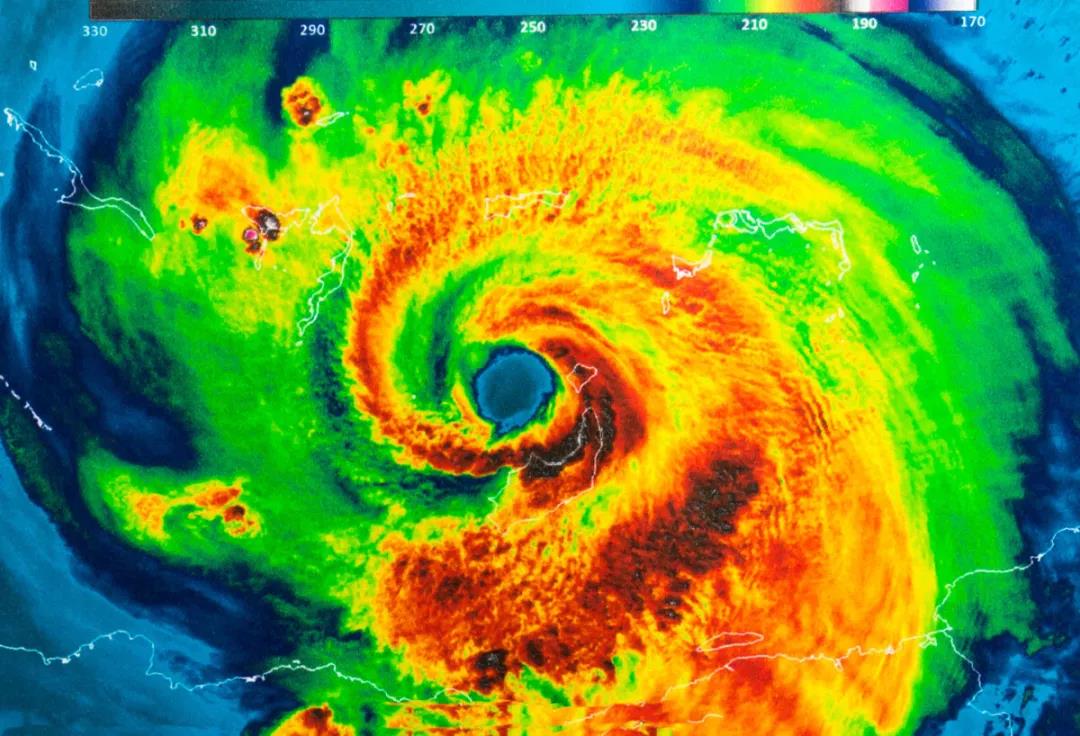
The hurricane hit the Central American producing area and reduced the production of coffee beans in many countries in Central America to varying degrees.
Professional coffee knowledge exchange more coffee bean information please follow the coffee workshop (Wechat official account cafe_style) on November 3, 2020, Category 4 Hurricane ETA (later downgraded to a tropical storm) made landfall in Central America. The hurricane caused varying degrees of losses in Nicaragua, Guatemala, Honduras, El Salvador and Panama, as well as Costa Rica, Mexico and Jamaica.

Introduction to the method of describing the characteristic Flavor of Coffee beans in Latin America
Characteristics of flavor description of coffee beans in Latin America Central and South America is the largest coffee producing area in the world, and there are numerous boutique coffees here. Take Colombia, Guatemala or Brazil as an example, good coffee is enough to make people dazzling. What is the resource advantage that makes Central and South America so good? French naval officer Gabriel Mat in 1721

American coffee what are the American coffee producing areas the characteristics of American coffee beans
Professional coffee knowledge exchange more coffee bean information please follow the coffee workshop (Wechat official account cafe_style) understanding Central American Coffee-Central America is the land bridge connecting North and South America, there are seven countries, namely, Belize, Costa Rica, El Salvador, Guatemala, Honduras, Nicaragua and Panama. All seven countries in Central America produce coffee, including Guatemala

Introduction to the basic knowledge of Coffee Coffee Machine Heat Exchange Boiler
● Mexico (Central America), the main coffee producer in Central America, has a comfortable taste and charming aroma. The Mexican coffees selected are Coatepec, Huatusco and Orizaba, among which Cottpe is considered to be one of the best in the world. The coffee cultivation belt of this country, regardless of geographical or climatic conditions, is related to
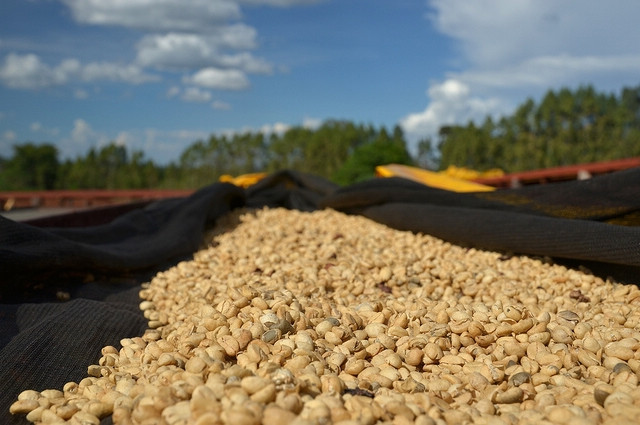
Royal Coffee processing Plant in St. Roman, a country grown in Central America, Tarazu, Costa Rica.
Costa Rican coffee cultivation was introduced by Cuba in 1779 and exported for the first time in 1820. There are about 32000 coffee farmers, with an average planting area of less than one hectare (10000 hectares) per farmer. Costa Rica has a population of 41 billion (2006), with a coffee planting area of 82500 hectares and an annual production of 1.7 million bags (60kgs per bag). The annual domestic consumption is 380000 bags.

Coffee flavor of Tianqi Manor in Matagalpa, Nicaragua, central Central America.
When tasting Nicaraguan coffee, it is best to drink cold water first, so that you can better feel its mellow taste. Drink coffee while it is hot, because the tannins in Nicaraguan coffee are easy to change during cooling, and the taste becomes sour, which will affect the flavor of the coffee. You can add the right amount of sugar, and then add cream. Enjoy a cup of high quality Niga

Flavor and taste characteristics of Honduran coffee beans, the most popular coffee brand in Central and South America
What makes coffee in Honduras special? You know, there are countless excellent coffees in Central and South America. Why do Colombian coffee and Brazilian coffee stand out from the crowd? Let's take a look at the uniqueness of Honduran coffee on Qianjie today. The most luxuriant and purest coffee growing place in the region: unfortunately, the United States

Nicaragua, the poorest coffee-producing country in Central America, the flavor and taste manor of the coffee-producing area introduces Happy Village.
Nicaragua is now one of the poorest countries in Central America. Due to its poor economic foundation, the coffee industry is still relatively backward, while coffee farmers are in extreme poverty. Fortunately, Nicaraguan coffee has received some foreign aid funds to improve the quality of its coffee. Coffee from Madagelba, Sinodega and Segovia in Nicaragua

A brief introduction to the flavor and aroma characteristics of Salvadoran coffee, a specialty of Central America
The government finally realized the great role of coffee in the national economy, such as solving employment, earning foreign exchange and developing agriculture, so it privatized some coffee export industries in 1990, hoping to increase the income rate of coffee in the export market. In Cuscacbapa, El Salvador, coffee beans that have been packaged are about to be exported. Coffee from El Salvador

Boutique coffee beans Central America Nicaraguan coffee beans
Nicaragua is located in central Central America, bordered by the Pacific Ocean to the west and the Caribbean Sea to the east. The highlands in the north and the coastal plains in the east are part of the Central American volcanic belt. The eastern plain is high-temperature and rainy, with a tropical maritime climate. The suitable climate provides an excellent growth environment for the cultivation of coffee. (Pakamara, Nicaragua on the left, Guatemala on the right) High-quality Niagara

Boutique coffee beans growing at Linna Manor in Nicaragua, one of the poorest countries in Central America.
Among them, in Costa Rica, where the government strictly controls the use of water, coffee farmers have created honey treatments named to retain different thicknesses of flesh, including yellow honey and red honey, the thinnest layers of flesh, and black honey, the famous owner of the former Costa Rican COE champion La Brumas de Zurqui. Traditionally, Nicaragua is
The birthplace of coffee in Martinique and Central America.
Martinique is a small island and the birthplace of coffee in Central America, but it produces very little coffee today. The first coffee tree in the Western Hemisphere was brought from France by Gabriel Mathieu de Clieu in the early 1820s. In his early years, Dirkley was a naval officer in Martinique. He brought back a coffee tree and planted it in Pritchell.

Introduction to the History of Coffee in Martinique, the birthplace of Coffee in Central America
Professional baristas follow the coffee workshop (Wechat official account cafe_style) Martinique is a small island and the birthplace of coffee in Central America, but it produces very little coffee today. The first coffee tree in the Western Hemisphere was brought from France by Gabriel Mathieu de Clieu in the early 1820s. Good morning, Dirkley.

Stories about the characteristics of well-known Central American coffee producing areas
Well-known representative coffee: Tarrazu Costa Rica, like other Central American countries, widely grows Arabica coffee. Its coffee is mainly grown in two high areas, one is the high area near the capital San Jose, and the other is the Tarrazu mountains southeast of San Jose. Because coffee is grown in Costa Rica at high altitudes.

What kinds of coffee beans do you have in Latin America? How much is the price of Latin American coffee beans? half a pound
Professional coffee knowledge exchange more coffee bean information Please pay attention to the coffee workshop (Wechat official account cafe_style) at present, there is no choice for people to choose from the wide variety of coffee beans imported from all over the world. Here will introduce the main producing areas and characteristics of coffee beans in Latin America as a reference for coffee purchase. The characteristics of Central and South American taste: balanced, moderate acidity and mellow mid-south
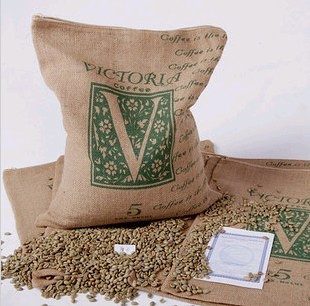
Well-known representative coffee from Guardia, Central America, Antigua, Guavid, Nango, Niagara, Costa Rica
Central American Guardiola (Guatemala) well-known representative coffee: Antigua (Antigua), Vivette Nango (Huehuetenango) Guardiola is about 15 degrees, the Pacific Ocean on the left and the Caribbean Sea on the right. Sierra Mountain near the Pacific Ocean is the main growing area of Guardia Coffee. Because of the long extension of mountains and the great change of regional climate, it has been created.